
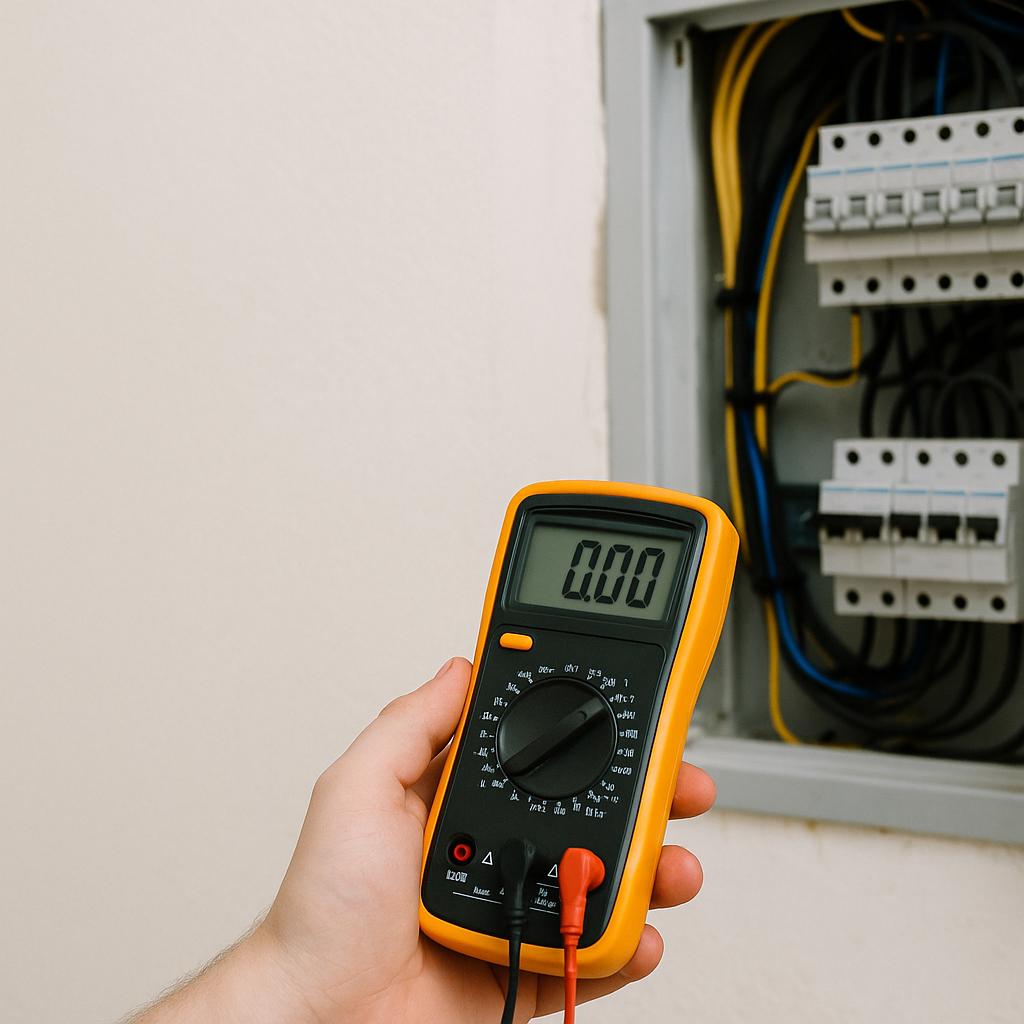
When you start getting your home ready to list, one of the biggest questions is, “What are the electrical requirements when selling a house?” Buyers, home inspectors, and lenders all care about safety and code compliance. As a licensed electrical contractor, JMR Electric Group helps homeowners fix electrical issues before they become deal-breakers at inspection or closing.
Below, you’ll learn what most inspectors look for, common problems that slow down sales, and how to prepare your home’s electrical system before you put it on the market.
Why Electrical Requirements Matter When Selling
Electrical problems scare buyers.
Even minor issues—like loose outlets or missing GFCIs—can cause:
- Failed home inspections
- Renegotiations or price reductions
- Delays in closing
- Buyers walking away entirely
Most buyers are not thinking about the age of your roof or kitchen finishes alone; they also want to know the home is safe. A modern, code-compliant electrical system tells buyers:
- The home has been cared for
- The risk of electrical fires is reduced
- They won’t need expensive upgrades immediately after moving in
That peace of mind can help your home sell faster and closer to your asking price.
Common Electrical Requirements When Selling a House
Exact requirements vary by location and your local electrical code, but most inspectors focus on these key areas.
1. A Safe, Up-to-Code Electrical Panel
Your electrical panel is the heart of your home’s system. Inspectors and buyers will look for:
- No obvious damage, rust, or scorching
- Clearly labeled circuits
- No double-tapped breakers (two wires under one breaker that isn’t designed for it)
- Properly sized breakers for each circuit
- No recalled or outdated panels that are known safety concerns
If your panel is very old, too small for modern electrical loads, or overloaded, JMR Electric Group may recommend an upgrade before listing.
2. Grounded Outlets and GFCI Protection
Buyers and inspectors expect grounded, three-prong outlets in most parts of the home. Two-prong, ungrounded outlets are a red flag, especially in living areas and bedrooms.
You’ll also need GFCI (Ground Fault Circuit Interrupter) protection in areas where water is present, such as:
- Kitchens (countertop outlets)
- Bathrooms
- Laundry rooms
- Garages
- Unfinished basements
- Outdoor outlets
GFCIs help protect against electric shock and are a common requirement for passing inspection.
3. Smoke Detectors and Carbon Monoxide Alarms
Even though these devices don’t power your TV or appliances, they are part of your home’s electrical safety system.
Most buyers—and many building codes—expect:
- Working smoke detectors on each level of the home
- Smoke detectors inside and outside sleeping areas
- Carbon monoxide detectors on each floor (especially where gas appliances or attached garages exist)
Hard-wired detectors with battery backup are often preferred. Make sure all devices are tested and up to date.
4. Safe Wiring and Lighting
Older homes sometimes have outdated or damaged wiring that needs attention before selling, including:
- Knob-and-tube wiring
- Aluminum branch-circuit wiring
- Spliced wires left exposed in attics, basements, or crawl spaces
- Overheated or brittle insulation on wires
Lighting fixtures should be securely installed, properly supported, and using bulbs that match the recommended wattage. Flickering lights, warm switch plates, or buzzing sounds are signs that an electrician should inspect the circuit.
5. Exterior and Garage Electrical Safety
The electrical requirements when selling a house don’t stop at the front door. Inspectors also check:
- Outdoor outlets with weatherproof covers and GFCI protection
- Properly installed exterior lighting, including security or flood lights
- Safe wiring to detached garages, sheds, or outbuildings
- Code-compliant garage door openers and receptacles
Outdoor electrical issues can be safety hazards and are often noted in inspection reports.
How to Know If Your Home Meets Current Electrical Code
You don’t need to become an expert in the National Electrical Code (NEC), but you do need a clear picture of your home’s condition.
Here are smart steps to take:
- Schedule a pre-listing electrical inspection
A licensed electrician from JMR Electric Group can walk through your home, open the panel, test outlets, and identify any safety or code issues. - Review past permits (if available)
If major electrical work was done without permits or inspections, buyers may worry about unseen problems. - Compare your home to current safety standards
You can also review homeowner resources from organizations like the National Fire Protection Association to better understand basic electrical safety expectations.
A professional inspection upfront allows you to fix issues on your terms—rather than under the pressure of a pending sale.
Common Electrical Red Flags That Delay Home Sales
Some issues show up over and over again on inspection reports:
- Overloaded power strips and extension cords used as permanent wiring
- Missing GFCI outlets in kitchens, baths, and laundry rooms
- Exposed splices or open junction boxes in attics and basements
- Loose, cracked, or paint-filled outlets and switches
- Non-functional lights, fans, or exterior fixtures
- Old, undersized electrical panels with no room for more breakers
Most of these can be corrected before listing. Fixing them early makes your home feel safer and more move-in ready to buyers.
What to Expect During an Electrical Inspection
Whether it’s a pre-listing check by JMR Electric Group or a buyer’s home inspection, the process typically includes:
- Visual inspection of the panel
Checking for labeling, breaker sizes, signs of overheating, and proper grounding. - Testing outlets and switches
Looking for correct wiring, grounding, and GFCI performance. - Checking visible wiring
Inspecting attics, crawl spaces, basements, and garages for unsafe wiring or open splices. - Reviewing safety devices
Verifying smoke detectors and carbon monoxide detectors are present and working.
You’ll usually receive a written report with any corrections recommended. Having a licensed electrician complete that punch list quickly helps keep your sale on track.
DIY vs. Hiring a Licensed Electrician
It’s tempting to DIY small electrical tasks when you’re already spending money to prepare your home. But when you’re selling, documentation and safety matter as much as the repairs.
DIY work can backfire if:
- It isn’t up to code
- It isn’t permitted where required
- It raises questions for the buyer’s inspector or lender
Hiring a licensed electrician like JMR Electric Group provides:
- Work done to current code and safety standards
- Professional documentation and invoices for your records
- Peace of mind for buyers, agents, and lenders
In a real estate transaction, “cheap but questionable” electrical work can cost you far more than “professional and documented.”
How JMR Electric Group Helps You Get Sale-Ready
If you’re planning to sell, JMR Electric Group can help you:
- Perform a pre-listing electrical safety inspection
- Prioritize repairs based on safety, code, and buyer expectations
- Upgrade outdated panels, wiring, and devices
- Install needed GFCIs, smoke detectors, and carbon monoxide alarms
- Provide documentation to show buyers the work was done by a licensed professional
The goal is simple: make your home safer, easier to sell, and more attractive to serious buyers.
Final Thoughts
Understanding the electrical requirements when selling a house helps you avoid surprises, renegotiations, and delays. By addressing safety and code issues early—with the help of a licensed electrician—you protect your investment and give buyers confidence in their new home.
If you’re getting ready to sell and want to make sure your electrical system won’t hold you back, reach out to JMR Electric Group to schedule a pre-listing electrical evaluation and get your home market-ready.
