
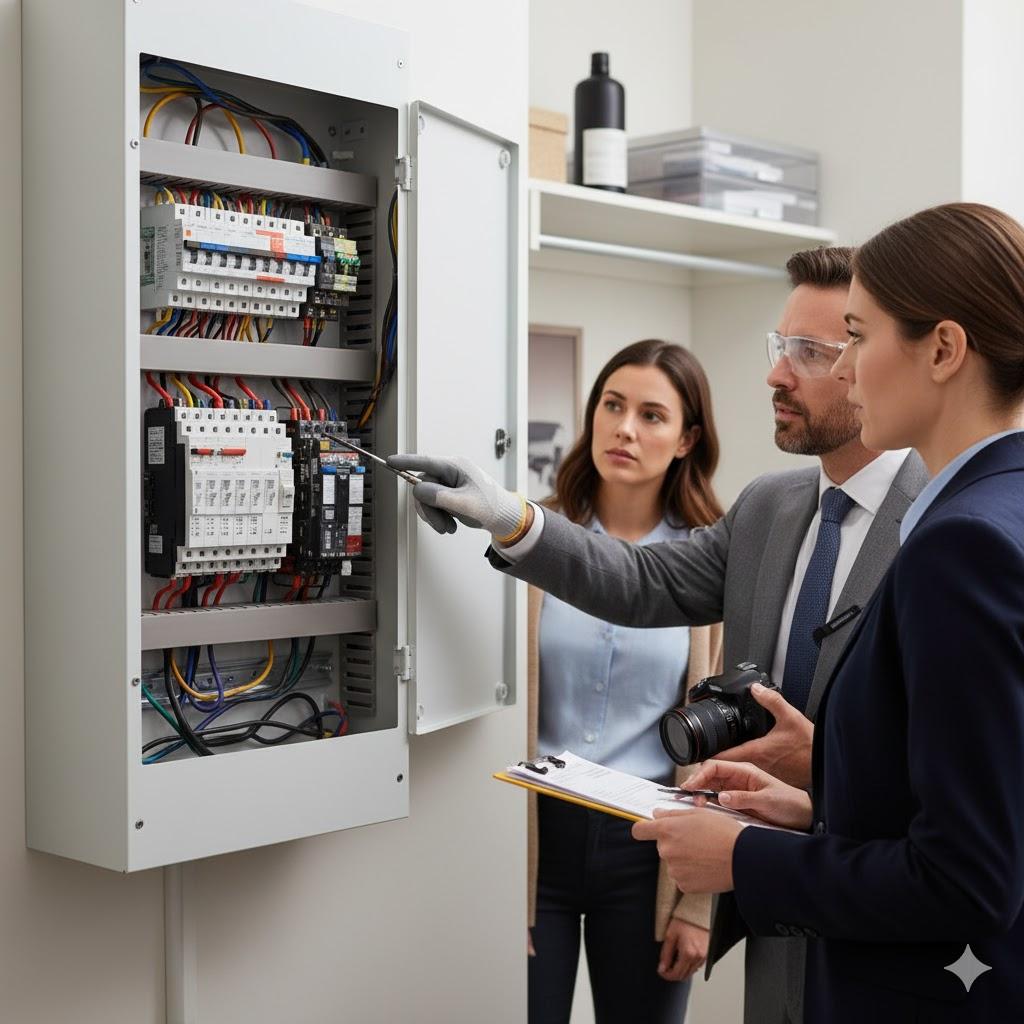
When your breaker box starts tripping nonstop or smells like it’s overheating, it’s natural to wonder: does homeowners insurance cover electrical panel replacement? The short answer is “sometimes”—and it depends on what caused the damage. Below, JMR Electric Group breaks down when coverage usually applies, when it doesn’t, how to document a claim, and what to do next to protect your home and budget.
The quick answer
Homeowners insurance typically covers sudden, accidental damage to your electrical panel that results from a covered peril—think fire, lightning, or a power surge that causes a fire. If the panel fails due to age, wear and tear, corrosion, recalled components, improper installation, or code noncompliance, insurers usually consider that a maintenance issue and do not cover a replacement.
When your panel is often covered
Insurers tend to evaluate the cause of loss first. You’re more likely to see coverage if your panel is damaged by:
- Fire: If a fire (whether electrical in origin or not) damages your service equipment, replacement is commonly part of the covered repairs.
- Lightning: A direct lightning strike that leads to arcing or fire within the panel.
- Smoke or water from firefighting efforts: If firefighters soak the area, the panel and feeders may need replacement for safety.
- Falling objects or vehicle impact: Structural damage that crushes the service equipment.
In these scenarios, the panel is part of your dwelling, so it’s handled under the policy’s dwelling (Coverage A) limits—subject to deductibles and any policy conditions.
When your panel is usually not covered
Even if the panel is unsafe or outdated, insurance isn’t a maintenance plan. Common exclusions include:
- Wear and tear / deterioration: Panels and breakers degrade over time. That natural aging is not a covered peril.
- Improper installation or prior code violations: If the damage stems from faulty workmanship or noncompliant work, it’s generally excluded.
- Obsolete or recalled brands: Some older panels (e.g., well-known problematic models) can be risky, but merely being “obsolete” isn’t a covered loss.
- Capacity upgrades: Moving from 100A to 200A for a renovation or EV charger is an elective upgrade, not a claim.
What about surges and “equipment breakdown” add-ons?
Standard policies may cover resulting fire from a surge—but not the mechanical/electrical breakdown itself if no covered peril occurs. Some carriers offer Equipment Breakdown endorsements for homeowners. These can help with certain sudden failures of systems like HVAC, appliances, and sometimes electrical components—but terms vary. Ask your agent whether you carry this endorsement, what it covers, and the deductible.
How insurers look at electrical panel claims
Insurers will generally ask:
- What exactly happened—and when? Sudden, date-specific events fit coverage better than long-term issues.
- What’s the cause of damage? A licensed electrician’s report is crucial.
- What’s required to make it safe and code-compliant? If replacement is the only safe, code-compliant fix after a covered event, that’s favorable for coverage.
- Is there pre-existing damage? Evidence of long-term overheating, corrosion, or doubled-up neutrals may be considered maintenance.
Documentation that strengthens your claim
Bring clear, factual proof. JMR Electric Group recommends:
- Electrician’s diagnosis: A written report describing the failure, visible damage, and probable cause. Include photos (lugs, bussing, breakers, scorching, melted insulation).
- Event details: If lightning or a fire was involved, note dates, times, and any incident reports.
- Repair options: Provide a detailed estimate for like-kind replacement to restore safety. If capacity must change to meet code after damage (e.g., damaged feeders that require an updated meter/main), explain why.
- Code references (as needed): A brief note from your electrician citing relevant code sections justifying replacement rather than repair can help adjusters understand the safety rationale.
Replacement vs. upgrade—how scope affects coverage
Insurers typically pay to restore you to pre-loss condition. If your damaged 125A panel must be replaced with an equivalent modern panel, that’s the baseline. If you choose to upgrade (e.g., larger service, whole-home surge protection, AFCI/GFCI combo breakers where not strictly required for the repair), the incremental cost above like-kind replacement is usually on you—unless your policy includes ordinance or law coverage and the upgrade is required by current code to complete the repair.
A practical example
- Covered: A small electrical fire in the panel damages buss bars and conductors. The electrician determines the safest fix is full panel replacement and conductor splicing/replacement. The carrier covers replacement to modern equivalent, less deductible.
- Not covered: Old breakers are nuisance-tripping. The panel is rusty, and the main lugs are loose from years of heat cycling. No fire or sudden event occurred. The insurer denies the claim as maintenance/wear.
- Partially covered: A lightning storm causes a fire at the service entrance. The insurer covers replacing the damaged panel and feeders. You add a larger panel and EV-ready capacity at the same time; you pay the cost difference.
How much does a panel replacement cost?
Costs vary with ampacity, brand, labor complexity, service entrance condition, grounding/bonding corrections, and local permitting. If the replacement is tied to a covered peril, your deductible and any coverage limits apply. If not covered, consider the total cost of ownership benefits—modern panels often improve safety, reliability, and future capacity for heat pumps, induction ranges, or EV charging.
Steps to take if you think you have a claim
- Protect people and property first. If you smell burning or see arcing, call the fire department and cut power if it’s safe to do so.
- Call JMR Electric Group. We’ll assess the damage, make the site safe, and document the cause with photos and a written evaluation you can share with your insurer.
- Notify your carrier promptly. Share the electrician’s report, photos, and a detailed estimate.
- Coordinate inspections. Adjusters may request an inspection; we’re happy to meet onsite to explain technical findings.
- Keep receipts. Save invoices for emergency repairs, temporary power, or lodging if your home is uninhabitable (often covered under Additional Living Expenses).
How to reduce claim friction (and future risk)
- Schedule periodic electrical safety checkups. Catch heat-stressed breakers, loose terminations, or corrosion before they escalate.
- Add whole-home surge protection. This helps reduce damage from external and internal surges (doesn’t replace good grounding/bonding).
- Avoid overloading circuits. Persistent nuisance trips indicate a problem; don’t just upsize breakers.
- Use licensed electricians only. Proper torqueing, labeling, and bonding protect both safety and insurability.
- Ask your agent about endorsements. Equipment Breakdown or expanded ordinance-and-law coverage can fill gaps for certain failure types or code-required upgrades after a loss.
The bottom line
Homeowners insurance can cover electrical panel replacement when a covered peril causes the damage. It generally will not cover age-related failures, improper installation, or elective upgrades. Your best move is to document the cause clearly, work with a licensed electrician, and submit a precise, safety-driven estimate to your insurer.
If you’re facing panel trouble—or want an expert opinion before you call your carrier—JMR Electric Group can help. We’ll diagnose the issue, explain your options, and provide the documentation insurers look for.
