
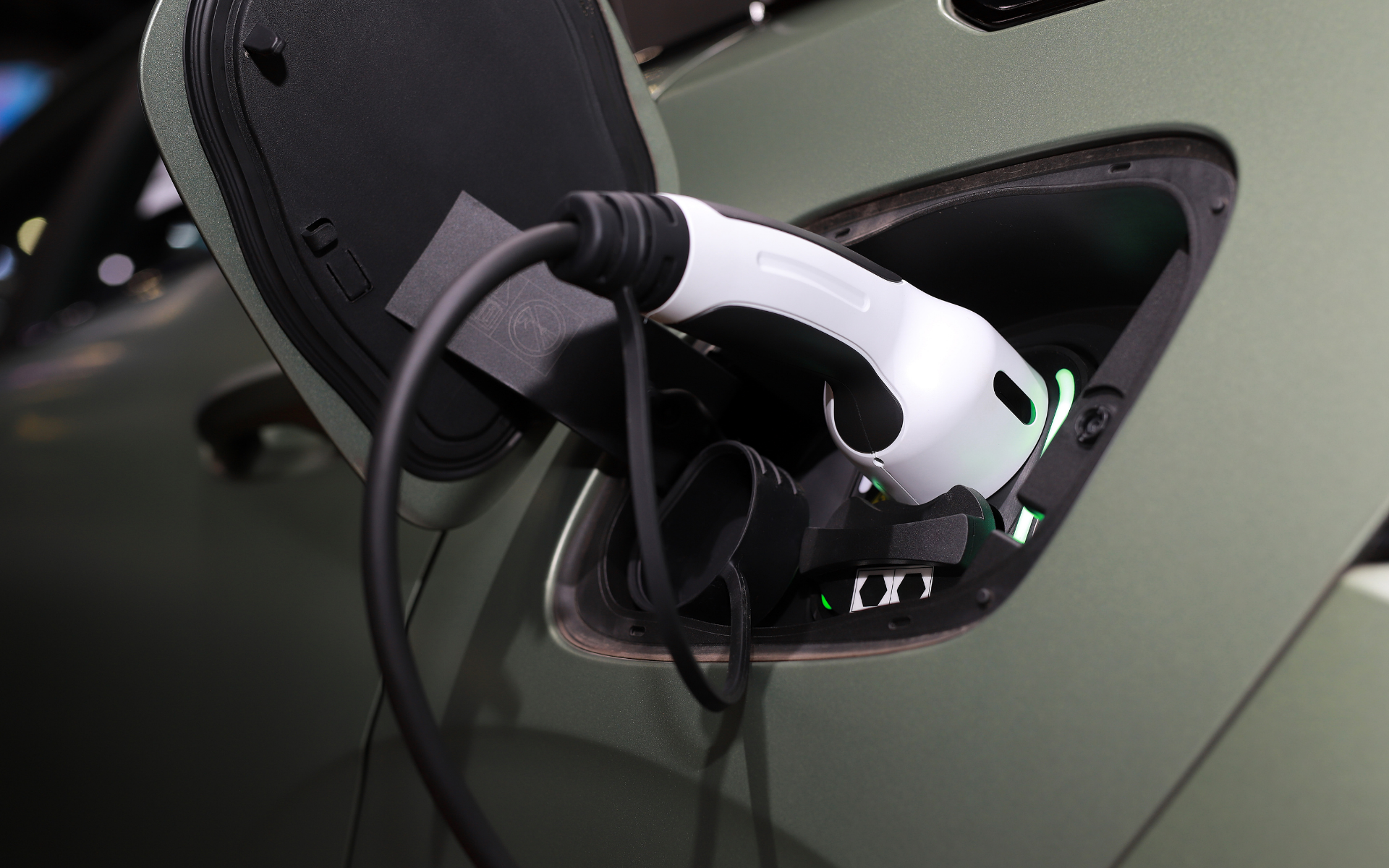
Transitioning from gasoline combustion engines to battery-powered vehicles completely alters residential energy consumption. Residents acquiring electric vehicles immediately face the reality of home charging logistics. A standard wall outlet provides insufficient energy for daily commuting routines. Adding heavy electrical loads to a residential property requires precise calculations and strict adherence to the National Electrical Code. Relying on competent licensed electrical contractors provides certainty regarding the safety and functionality of your upgraded property. Homeowners must understand the technical requirements of modern electric vehicle charging station equipment before purchasing new hardware.
What Defines EV Charging & Smart Power?
EV Charging & Smart Power refers to the intentional integration of high-amperage charging equipment with intelligent electrical load management systems. This combination allows a home to deliver massive amounts of electricity to a vehicle without overloading the main breaker panel. A standard residential electrical system was designed to power appliances, lighting, and HVAC units. Adding a heavy continuous load changes the entire physical stress applied to the home’s electrical backbone.
Smart power systems involve installing devices capable of monitoring total energy consumption in real-time. These intelligent panels distribute available electricity safely. If the home reaches its maximum electrical capacity while an oven, air conditioner, and electric car operate simultaneously, a smart system automatically pauses the car charger. This technological intervention prevents the main breaker from tripping and protects the physical wiring inside the walls from dangerous overheating.
How Do the Different Levels of Equipment Compare?
Automotive manufacturers classify charging speeds into distinct categories based on electrical input. Understanding these categories dictates the required physical upgrades for a house.
- Level 1 Equipment: Every electric vehicle includes a basic cord capable of plugging into a standard 120-volt household outlet. This method delivers minimal energy, adding roughly three to five miles of driving range per hour. Relying on this slow method fails to support average daily commuting distances.
- Level 2 Charging Station: This tier utilizes a 240-volt dedicated circuit, identical to the power source required for an electric clothes dryer or a kitchen oven. Installing a dedicated electrical vehicle charging system at this specification delivers twenty to forty miles of range per hour. A depleted battery reaches maximum capacity overnight.
- Level 3 DC Fast Chargers: These massive industrial units bypass the vehicle’s onboard converter, feeding direct current straight into the battery. These stations exist solely in commercial environments and public travel corridors due to their extreme power requirements. They remain entirely incompatible with residential electrical grids.
What Are the Technical Requirements for a Level 2 Charging Station?
Establishing a safe 240-volt circuit requires installing new infrastructure directly from the main breaker panel to the garage or driveway. Electricians calculate the required wire gauge based on the specific amperage rating of the charger unit.
A 40-amp charger demands a 50-amp circuit breaker. The National Electrical Code mandates that continuous loads—defined as devices operating at maximum capacity for three hours or longer—must only draw eighty percent of the circuit’s total rated capacity. Installing a thicker copper wire gauge prevents heat accumulation along the physical cable run.
Trenching underground conduits becomes necessary for detached garages or open driveway parking pads. Burying polyvinyl chloride (PVC) pipes protects the high-voltage wires from lawnmowers, digging equipment, and severe weather exposure. Electricians lay these pipes deep below the soil frost line to prevent winter ground heaves from severing the connections.
Why Do Older Stoneham Homes Require Electrical Panel Upgrades?
The housing stock in Middlesex County features thousands of properties built in the mid-twentieth century. These classic homes originally featured 60-amp or 100-amp main electrical services. Adding a modern EV car charging station pulling 50 amps instantly overwhelms these legacy systems.
Attempting to force heavy modern loads onto an outdated panel creates severe fire hazards. Upgrading the entire electrical service panel to a 200-amp capacity provides the necessary bandwidth for modern living. This process involves coordinating with the local utility company to disconnect the street power, replacing the physical exterior meter socket, and installing a larger interior breaker box.
Managing these complex structural changes is a core focus for our technicians operating daily in Stoneham, MA, where updating legacy residential power grids remains a constant necessity. A modern 200-amp panel easily supports central air conditioning, induction cooktops, and high-speed vehicle charging simultaneously.
Hardwired vs. Plug-in Models: Which is Superior?
Property owners must choose between hardwiring their charging equipment directly into the wall or installing a plug-in receptacle. Each method presents distinct technical characteristics.
- Plug-in Receptacles: This setup utilizes a high-voltage NEMA 14-50 outlet. The charger unit features a thick cord that plugs directly into this wall socket. Current electrical codes require NEMA 14-50 outlets located in garages to feature Ground Fault Circuit Interrupter (GFCI) protection at the breaker panel.
- Hardwired Installations: Electricians run the copper wires directly into the internal terminal block of the charging unit. This method eliminates the physical wall plug entirely.
Hardwiring consistently provides superior safety and reliability. High-amperage wall plugs occasionally experience partial pull-outs or loose connections over time. A loose connection generates extreme heat and melts the plastic receptacle. Hardwired connections eliminate this point of failure. Bypassing the wall plug removes the requirement for an expensive GFCI breaker, as the charging unit contains internal safety mechanisms to prevent electric shocks. Hardwiring supports faster charging speeds, allowing property owners to install 48-amp or 60-amp units safely.
What Are the Common Smart Load Management Devices?
Sometimes, upgrading the main utility service proves physically impossible due to underground municipal wiring constraints. Property owners in this situation rely on smart load management devices to secure their charging capabilities.
These physical modules install directly alongside the main breaker panel. Current transformers (CT clamps) wrap around the main power lines entering the house. These clamps monitor the exact amount of electricity consumed by the entire house down to the decimal point.
The homeowner sets a maximum threshold on the device. If the house load exceeds 80% of the panel’s capacity due to an electric dryer and an air conditioner cycling on, the smart module instantly communicates with the car charger. It instructs the charger to pause the flow of electricity to the vehicle. Once the dryer finishes its cycle and the total house load drops to a safe level, the module restores power to the car. This intelligent sequence prevents overloaded circuits without requiring a massive utility service upgrade.
Navigating Permits and Inspections in Middlesex County
Electrical modifications of this magnitude require strict oversight from local municipal authorities. Beginning an installation without securing the proper electrical permits violates local building codes and creates massive liabilities for the homeowner. Unpermitted electrical work voids homeowners’ insurance policies in the event of a fire.
A licensed electrician submits detailed plans to the local building department outlining the proposed wire gauges, breaker sizes, and load calculations. Following the physical installation, a municipal electrical inspector visits the property to verify all work meets the National Electrical Code standards. Passing this inspection guarantees the safety of the new high-voltage circuit.
Integrating the System with Weather Protection
New England winters present aggressive challenges for exterior electrical hardware. Equipment mounted on the side of a house or an open post must possess strong Ingress Protection (IP) ratings. An IP66-rated enclosure blocks heavy rain, driving snow, and accumulated ice from entering the sensitive internal electronics.
Managing the heavy charging cable during freezing temperatures requires planning. Cold weather causes rubber and thick plastics to become stiff and unyielding. Installing a physical cable management retractor or a designated wall holster keeps the cord off the frozen ground. Leaving a charging cord resting in a puddle of melting snow accelerates physical degradation and exposes the metallic connector pins to rapid corrosion.
How to Evaluate “EV Charging Stations Near Me” Searches
Homeowners researching their options frequently type “ev charging stations near me” into search engines to find local contractors. Distinguishing between general handymen and dedicated electrical professionals guarantees a safe installation.
Evaluate potential contractors by examining their state licensing credentials. Request proof of active liability insurance and workers’ compensation coverage. Ask direct questions regarding their experience with load calculations and local municipal permitting processes. A qualified professional refuses to install a heavy charger without first opening the main panel and calculating the existing continuous load capacity.
Reviewing the entire scope of your property’s electrical health remains vital. Combining a charger installation with broader residential electrical upgrades reduces total labor costs and minimizes disruptions to your daily routine. Replacing older subpanels or adding whole-home surge protectors during the charger installation provides complete physical protection for your new automotive investment.
Stop relying on inadequate wall outlets for your daily driving needs. Upgrading your home infrastructure requires precise engineering and strict attention to electrical safety codes. JMR Electric executes highly technical installations, evaluating your main panel capacity and delivering the exact voltage required for your vehicle. Our team handles every phase of the project, from initial load calculations to final municipal inspections. Contact JMR Electric today to schedule a comprehensive property evaluation and secure a reliable power source for your vehicle.
