
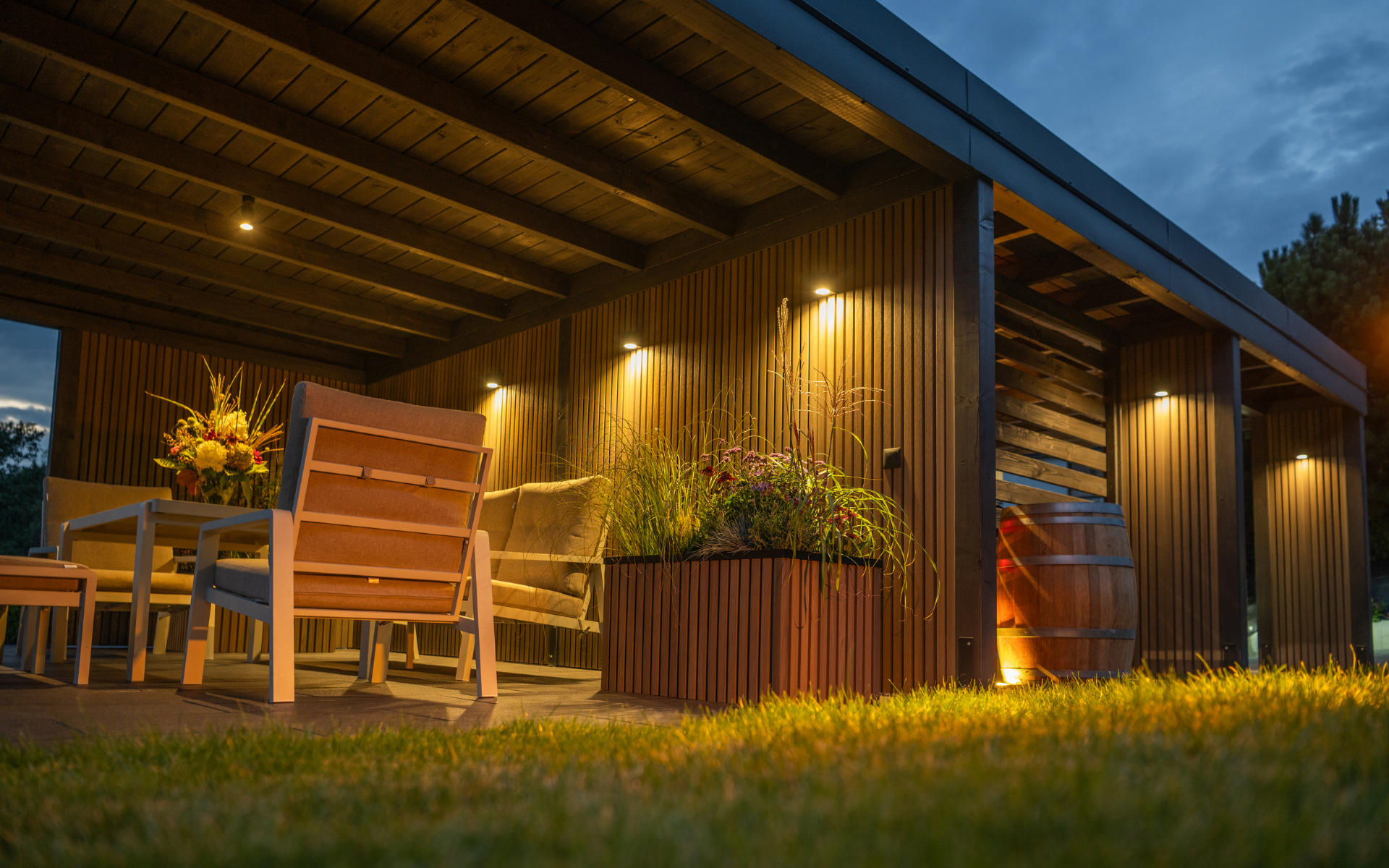
Property owners in Stoneham, MA consistently seek reliable methods for upgrading their exterior spaces. Proper exterior illumination provides obvious benefits for residential properties. Adding electrical fixtures along pathways and structural walls creates a welcoming environment after dark. JMR Electric provides dedicated electrical installations for these exact requirements. Relying on licensed electrical professionals guarantees proper wiring and safe operation across your entire property. A well-planned installation adds visual appeal and improves property security throughout the night.
What is Landscape & Outdoor Lighting?
Landscape & Outdoor Lighting refers to the exact placement of exterior electrical fixtures to illuminate gardens, pathways, architectural features, and exterior living spaces. This electrical practice serves functional purposes by lighting dark walkways and decorative purposes by highlighting property aesthetics during the night. Professional installations rely on weather-resistant wiring, low-voltage transformers, and energy-efficient LED bulbs to maintain consistent illumination across a residential property.
Illuminating the exterior grounds of a residential property requires a thorough understanding of electrical physics. Electricians must calculate voltage drops, manage amperage loads, and select fixtures built to survive outdoor conditions. Moving from a completely dark yard to a fully illuminated exterior completely alters the visual presence of a home.
The Mechanics of Modern Outdoor Lighting
The physical components of reliable modern outdoor lighting rely heavily on low-voltage electrical systems. A standard residential electrical panel operates at 120 volts. Exterior yard systems use a step-down transformer to reduce this power to 12 or 15 volts. This lower voltage creates a much safer environment for exterior spaces. If a shovel accidentally cuts a buried low-voltage wire during garden maintenance, the risk of serious electrical shock remains minimal compared to cutting high-voltage lines.
Selecting the correct transformer requires calculating the total wattage of all planned fixtures. Adding the wattage of each individual bulb provides the baseline electrical load. Electricians strongly recommend leaving extra capacity on the transformer for future additions. A system utilizing 150 watts of active fixtures pairs well with a 300-watt transformer. This configuration allows the homeowner to add more fixtures later without replacing the primary power source.
Wiring size plays a critical role in system reliability. Electricians select wire gauges based on the distance from the transformer to the furthest fixture. Long wire runs cause a phenomenon called voltage drop. Voltage drop causes lights at the end of a long sequence to appear noticeably dimmer than fixtures located near the transformer. Proper wire sizing prevents this dimming effect and keeps the brightness consistent across the entire yard.
Functional Applications for Property Safety
Safety remains a primary concern for property owners in Middlesex County. Unlit walkways present clear tripping hazards during the evening hours. Installing bright, reliable fixtures along driveways and stone paths removes these physical risks. Visitors navigating front steps require clear visibility to avoid accidents.
Well-lit properties deter trespassers. A dark property offers hiding spots in the shadows. A properly illuminated exterior removes those shadows entirely. Motion-activated fixtures mounted near entryways and garages provide immediate visibility the moment movement occurs. Property owners searching for exterior illumination installations require fixtures that withstand local weather conditions while delivering consistent, reliable brightness every single night.
Security floodlights mounted on the eaves of a house cast wide, bright beams across large expanses of grass. Connecting these floodlights to smart timers or photocells allows them to activate automatically at sunset and deactivate at sunrise. This automation provides constant security without requiring manual daily intervention from the homeowner.
Highlighting Architecture with Outdoor House Lighting
Beyond physical safety, exterior illumination highlights the architectural features of your house. Precise lighting creates dramatic shadows and emphasizes stonework, exterior columns, or unique siding materials. Uplighting tall trees creates visual depth in your front yard.
Property owners invest heavily in their exterior patios and gardens. Illuminating these spaces extends their usability deep into the evening hours. Enjoying a patio space after sunset requires adequate overhead or perimeter lighting. A well-planned installation includes warm LED bulbs that create an inviting atmosphere. Implementing outdoor house lighting fixtures adds distinct character to any property profile.
Electricians use several distinct techniques to achieve these decorative effects:
- Silhouetting: Placing a light source behind an object, such as a sculpted tree or statue, casts a dark outline against a bright background wall.
- Grazing: Positioning fixtures close to a textured surface, like a brick chimney or stone retaining wall, highlights the physical texture through sharp shadows.
- Moonlighting: Mounting fixtures high up in large trees and angling the light downward mimics the natural glow of moonlight filtering through leaves.
- Shadowing: Placing a fixture directly in front of an object casts an enlarged shadow onto the wall directly behind it.
- Washing: Illuminating a large, flat surface with a wide beam to create a smooth, even glow across the entire facade of the home.
Essential Fixture Categories for Exterior Spaces
Different areas of your property require distinct types of physical fixtures. Managing all these varying requirements means relying on complete residential electrical solutions from a licensed electrician.
- Path Lights: These fixtures direct light downward toward the ground. They define walkways, borders, and driveways while preventing direct glare into the eyes of pedestrians.
- Spotlights: Spotlights project a narrow, focused beam of light. They highlight specific architectural elements, flagpoles, or tall, narrow trees.
- Wash Lights: Wash lights provide a wide, diffuse beam of light. They illuminate large, flat surfaces like retaining walls, solid fences, or the broad side of a house facade.
- Well Lights: Installed flush with the ground level, well lights provide upward illumination without visible hardware above the soil line. They work perfectly in areas requiring frequent lawn mowing.
- Deck and Step Lights: These compact fixtures mount directly into wooden, vinyl, or composite structures. They provide essential visibility for elevation changes on stairs and patio borders.
- Hardscape Lights: These slim fixtures fit snugly under the overhanging lips of stone retaining walls or outdoor kitchen counters, casting light directly downward onto the stone surface below.
- Bollard Lights: Taller than standard path lights, bollards provide a 360-degree spread of light. They function exceptionally well at the ends of long driveways.
Selecting LED Technology and Color Temperatures
The industry standard for exterior illumination relies almost exclusively on Light Emitting Diode (LED) technology. Traditional halogen bulbs consume massive amounts of electricity and burn out frequently. LED bulbs consume a fraction of the electricity and last for tens of thousands of hours.
Understanding LED specifications guarantees the desired visual effect. Two main metrics define LED performance:
- Lumens: This measurement indicates the physical brightness of the bulb. Path lights generally require low lumen outputs, while security floodlights require high lumen outputs.
- Color Correlated Temperature (CCT): Measured in Kelvin (K), this dictates the visual warmth or coolness of the light. A 2700K bulb produces a warm, yellowish glow similar to traditional incandescent bulbs. A 3000K bulb provides a crisp, neutral white light. A 4000K bulb emits a bluish, cool light often reserved for strict security purposes.
Matching the Kelvin temperature across all fixtures prevents a disjointed, mismatched appearance across the property. Mixing 2700K bulbs with 4000K bulbs creates visual confusion. Maintaining a consistent 3000K across the entire yard yields a clean, professional aesthetic.
Navigating Stoneham, MA Weather Conditions
Stoneham, MA experiences severe winter weather patterns. Freezing temperatures, ice accumulation, and heavy snowfall heavily impact exterior electrical systems. Choosing appropriate fixture materials prevents premature mechanical failure.
Solid brass and heavy copper fixtures resist corrosion far better than cheap plastic or thin aluminum alternatives. These heavy metals develop a natural patina over time, blending beautifully into natural garden environments. JMR Electric offers dedicated installations serving Stoneham, MA, bringing all exterior electrical work up to strict Massachusetts building codes.
Burying electrical wires requires deep trenches. Digging trenches below the natural frost line prevents winter ground heaves from severing buried electrical connections. The freezing and thawing cycle of New England soil easily destroys shallow wire installations. Working with a local contractor familiar with these exact environmental conditions prevents frequent repair issues.
Moisture presents another significant challenge. Fixtures must carry an appropriate Ingress Protection (IP) rating. An IP65 rating signifies protection against low-pressure water jets, making those fixtures suitable for areas exposed to rain or sprinkler systems. Well lights placed directly into the soil require even higher ratings, often IP67 or IP68, to survive temporary submersion during heavy rainstorms.
The Professional Installation Process
Executing a flawless installation requires a methodical approach from a licensed professional. Attempting DIY electrical work often leads to tripped breakers, damaged fixtures, and severe safety hazards. The professional installation sequence involves several distinct phases:
- Site Evaluation: The electrician maps the property layout, noting existing power sources, architectural features, and potential obstacles like underground plumbing or gas lines.
- Load Calculation: The team determines the total wattage required for the desired lighting plan and selects a transformer with appropriate capacity.
- Trenching and Conduit Placement: Technicians dig narrow trenches along the planned wire routes. Wires crossing under walkways or driveways run through rigid PVC conduit for physical protection.
- Fixture Placement: Installers position the physical fixtures in the ground or mount them securely to the house exterior.
- Wiring Connections: Electricians use waterproof, silicone-filled wire nuts to connect the fixtures to the main trunk line. This prevents moisture from corroding the copper connections.
- Transformer Mounting: The transformer mounts to the side of the house near an existing exterior outlet. The technician wires the primary line into the transformer.
- Testing and Adjustment: The team powers on the system at night to verify all lights function correctly. Installers adjust the angles of individual spotlights to perfect the final visual effect.
Finding Reliable Landscape Lighting Near Me
Finding the right professional requires careful, methodical research. Property owners typing “landscape lighting near me” into search engines must heavily evaluate contractor credentials before signing any agreements.
Verify local state licensing directly through the Massachusetts state registry. Confirm the contractor carries appropriate liability and workers’ compensation insurance. Review past project portfolios to judge the quality of their physical installations. Ask direct questions about the specific hardware brands, wire gauges, and transformer models they intend to install. A reputable electrical contractor provides detailed written estimates outlining every piece of equipment required for the project.
Avoid contractors pushing plastic fixtures or undersized wire gauges. These cost-cutting measures lead to failing systems within a few short years. Demand solid metal fixtures, proper waterproofing techniques, and professional-grade transformers.
Integrating Illumination with Outdoor Living Spaces
Modern backyards function as extensions of the interior living room. Patios, fire pits, and outdoor kitchens require specific illumination strategies. Cooking areas demand bright, focused task lighting over grills and countertops. Dining areas benefit from soft, dimmable overhead lighting to create a comfortable ambiance.
Step lights built into wooden decks prevent tripping on stairs during late-night gatherings. Adding dimmer switches to these patio circuits gives the homeowner total control over the light levels. Lowering the brightness around a fire pit allows the natural flames to stand out while still providing enough ambient light to see the surrounding chairs.
Stop navigating a dark, uninviting property exterior. Enhance your home’s safety, security, and visual appeal with professional exterior illumination. JMR Electric delivers precise electrical installations built to withstand severe New England weather conditions. Our team provides strict attention to technical detail, proper load calculations, and exact fixture placement. Contact JMR Electric today to schedule a detailed property assessment and begin designing your exterior electrical system.
