
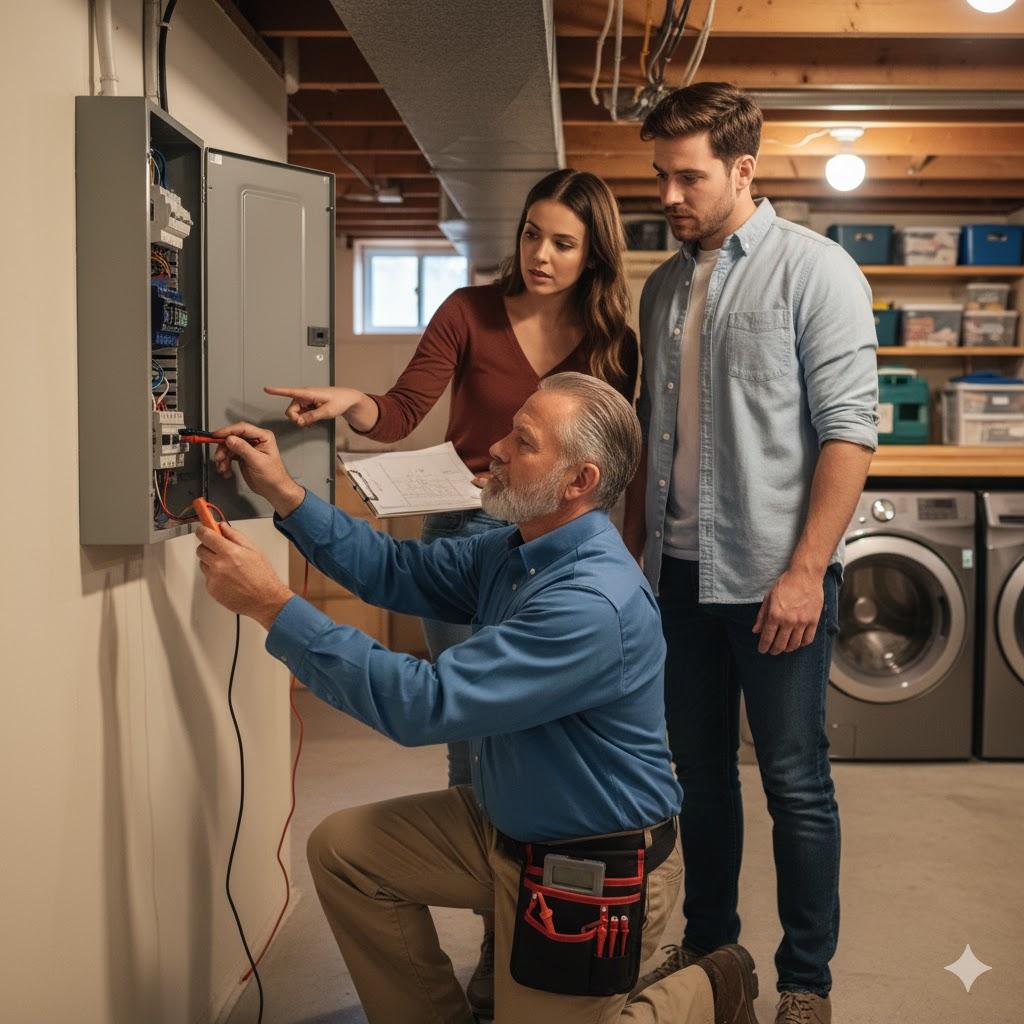
Thinking about listing your home? Understanding the electrical requirements when selling a house can save you from failed inspections, price reductions, and last-minute delays. Below is a practical, seller-friendly guide from JMR Electric Group to help you prepare your home’s electrical system so buyers (and their inspectors) feel confident saying yes.
Why Electrical Readiness Matters to Buyers and Inspectors
Electrical issues are among the most common reasons a deal stalls after a home inspection. Buyers want a home that’s safe, efficient, and compliant with modern standards. While the National Electrical Code (NEC) isn’t retroactive in most areas, inspectors and lenders still flag safety hazards. Addressing these items early prevents renegotiations and keeps your closing on track.
Pre-Listing Electrical Checklist (Quick Wins First)
Tackle these basic items before you list:
- Working, tamper-resistant receptacles with unbroken cover plates in every room.
- No open junction boxes; all wire splices in covered, accessible boxes.
- Functional light fixtures and switches; replace flickering bulbs and noisy dimmers.
- Proper labeling on the service panel; each breaker labeled to its circuit.
- No double-tapped breakers unless the device is rated for two conductors.
- Visible bonding/grounding to the water service (where applicable) and grounding electrodes.
- Neat, serviceable panel with intact dead-front, no rust, and ample working clearance (30″ wide, 36″ deep, 6.5′ high).
- Exterior fixtures and outlets rated for wet locations with intact in-use covers.
If any of these raise questions, a pre-listing electrical evaluation from JMR Electric Group will pinpoint priorities and costs.
The Big Ticket Safety Items Buyers Expect
1) GFCI Protection in Wet Areas
Ground-Fault Circuit Interrupters help prevent shock. Most inspectors expect GFCI outlets or breakers in kitchens, bathrooms, garages, unfinished basements, laundry areas, crawlspaces, and all outdoor receptacles. If you have older, non-GFCI outlets in these locations, plan to upgrade.
2) AFCI Protection in Living Spaces
Arc-Fault Circuit Interrupters reduce fire risk from arcing faults. Many jurisdictions and lenders now expect AFCI protection on bedroom and common-area circuits. If your panel predates AFCI adoption, adding AFCI breakers (or combination AFCI/GFCI breakers) can boost safety and buyer confidence.
3) Smoke and CO Alarm Coverage
Most markets require hard-wired (with battery backup) smoke alarms in bedrooms, outside sleeping areas, and on every level; CO alarms are required where fuel-burning appliances or attached garages exist. Interconnection is frequently required. If yours are outdated, missing, or only battery-operated, plan to modernize. For general placement guidance, see the National Fire Protection Association’s recommendations: NFPA smoke alarm basics.
4) Service Capacity and Panel Condition
A clean, modern panel (often 200 amps in newer homes) reassures buyers who plan EV chargers, hot tubs, or additions. Red flags include obsolete brands, corrosion, scorching, overcrowded wiring, missing knockouts, and multiple double-taps. Upgrading or correcting defects here often pays for itself in easier negotiations.
5) Proper Grounding & Bonding
Older homes sometimes lack a continuous grounding electrode system or bonding to metallic water piping and gas lines (where required by local code). Ensuring these are present and intact is a common inspection item—and an essential safety layer.
6) Kitchen & Bath Circuiting
Modern standards expect dedicated 20-amp small-appliance circuits in kitchens, dedicated circuits for microwaves/dishwashers/disposals as needed, and GFCI protection on all countertop receptacles. Bathrooms typically need a 20-amp GFCI circuit for receptacles. If your kitchen or bath has “everything on one breaker,” anticipate an inspector note.
7) Outdoor & Garage Requirements
- Weather-resistant, GFCI-protected receptacles with in-use covers.
- Exterior lighting securely mounted and rated for wet locations.
- Garage door openers on dedicated outlets (no extension cords), GFCI protection, and proper receptacle placement.
8) Legacy Wiring Concerns
- Aluminum branch-circuit wiring (1960s–70s): often requires special connectors or mitigation.
- Knob-and-tube wiring: typically flagged for replacement or isolation if deteriorated or buried in insulation.
- Two-prong (ungrounded) receptacles: frequently noted; upgrading to grounded circuits or GFCI-protected three-prong receptacles labeled “No Equipment Ground” can be acceptable in many areas.
Do You Have to “Bring Everything to Code”?
Not necessarily. Most codes aren’t retroactive, but safety hazards and work done without permits are common sticking points. If you recently remodeled, ensure the electrical work was permitted and inspected. For older systems, many buyers will accept a home as-is if major hazards are addressed and the system is clearly documented and safe.
Typical Cost Ranges Sellers Ask About
Every home is different, but sellers often budget for:
- GFCI/AFCI upgrades: Low to moderate per device/breaker.
- Adding smoke/CO alarms: Low to moderate, depends on wiring/interconnection.
- Correcting panel defects: Low (labeling, knockouts) to moderate (breaker replacement) or higher (panel upgrade).
- New kitchen/bath circuits: Moderate, varies with wall access and finish repairs.
- Outdoor/garage corrections: Low to moderate.
- Legacy wiring mitigation: Moderate to significant, depending on scope.
A focused pre-listing punch list from JMR Electric Group prevents “scope creep” and prioritizes the items that matter to inspectors and buyers.
Pre-Listing Electrical Evaluation: What to Expect
- Walkthrough & Testing: We check representative outlets, GFCI/AFCI operation, panel condition, grounding/bonding, and visible wiring.
- Code & Safety Review: We flag safety issues, obvious code deficiencies in critical areas, and any unpermitted past work we can identify.
- Written Punch List: Clear, prioritized actions—must-do (safety/likely to fail inspection), should-do (strong buyer signals), nice-to-have (value adds).
- Firm Pricing & Timeline: Transparent estimates tied to the punch list so you can make decisions quickly.
Disclosures, Permits, and Appraisals
- Seller disclosures: If you know about electrical hazards or unpermitted work, disclose them. Transparency builds trust and avoids post-inspection surprises.
- Permits: If fixes require a permit, pull it. Buyers and appraisers often request proof.
- Lender & insurance: Some loans and insurers require functional safety devices (e.g., smoke/CO alarms, GFCI) and may balk at obsolete panels or visible hazards.
Fast Fixes That Impress Buyers
- Replace yellowed/broken plates with clean, tamper-resistant devices.
- Label the panel neatly and correct any obvious double-taps.
- Add GFCI protection in all wet locations.
- Install interlinked smoke and CO alarms with fresh batteries.
- Secure loose exterior fixtures and add in-use covers outdoors.
These low-friction upgrades make inspections smoother and listings more attractive.
When a Full Upgrade Makes Sense
If your home has undersized service, chronic tripping, a crowded or obsolete panel, or plans from buyers for EV charging or additions, a panel/service upgrade can remove a major objection. It positions your home as “future-ready” and can support a stronger asking price.
How JMR Electric Group Helps Sellers Win
JMR Electric Group specializes in preparing homes for market with:
- Targeted pre-listing assessments that focus on what inspectors flag.
- Code-compliant repairs and documentation buyers and lenders respect.
- Clear communication with your agent, so fixes align with your timeline and pricing strategy.
We handle everything from quick GFCI/AFCI upgrades to panel replacements and smoke/CO system updates—so you can list with confidence.
Ready to List With Confidence?
Before you schedule photos or your first showing, get a fast, focused electrical check. JMR Electric Group will create a clean, prioritized plan to satisfy inspectors, reassure buyers, and keep your sale moving.
Helpful resource: NFPA smoke alarm basics
Need a pre-listing electrical evaluation? Contact JMR Electric Group today and we’ll get your home market-ready—safely, quickly, and with zero guesswork.
