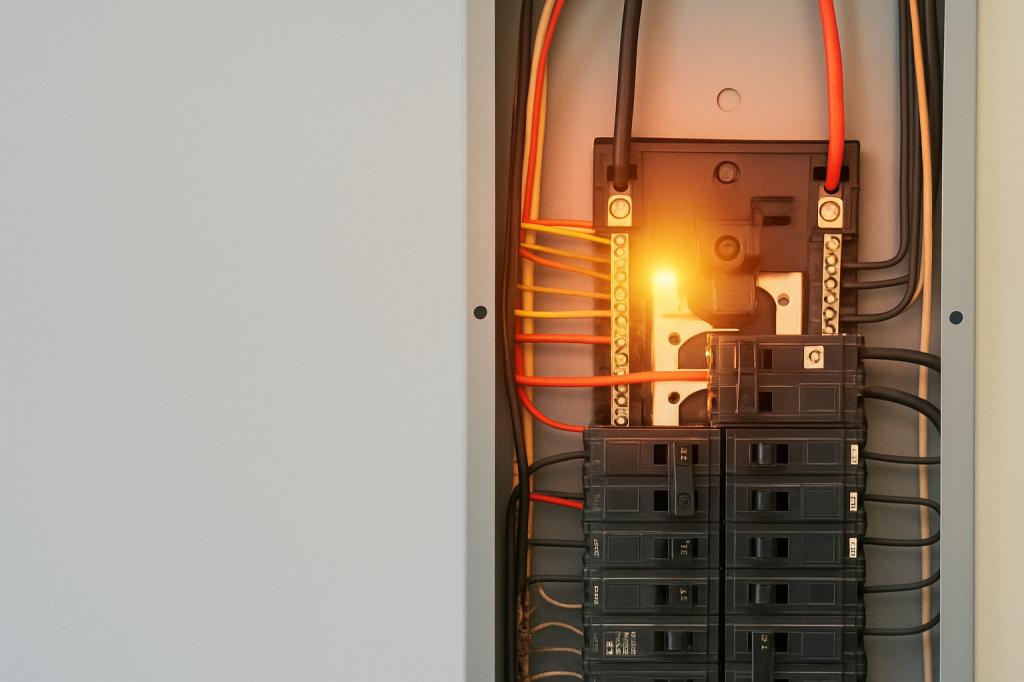
Your home’s electrical panel—often called the breaker box—is the central hub that distributes electricity safely throughout your property. When it’s working properly, most homeowners rarely give it a second thought. But if you ever notice that your electrical panel feels hot to the touch, smells like it’s burning, or makes unusual noises, it could mean one thing: overheating.
Electrical panel overheating is more than just an inconvenience. Left unchecked, it can damage appliances, cause costly electrical failures, or even lead to a house fire. In this article, we’ll cover the main causes of overheating panels, warning signs you shouldn’t ignore, the risks of putting off repairs, and the steps you can take to prevent dangerous issues.
Several factors can cause your breaker box to generate excessive heat. Understanding these causes can help you catch problems early:
What Causes an Electrical Panel to Overheat?
-
- Overloaded Circuits
Every breaker is designed to handle a specific amount of electrical load. Plugging in too many appliances or running heavy equipment on the same circuit can exceed its capacity. When this happens, the breaker may not trip as it should, causing wires and the panel itself to overheat.
-
- Loose or Corroded Connections
Over time, screws, terminals, and wire connections inside the panel can loosen. Corrosion from moisture or age can also interfere with connections. Both scenarios increase electrical resistance, which produces excess heat and puts strain on the system.
-
- Outdated Electrical Panels
Panels from decades past weren’t designed to handle today’s electrical demands. If your home still has an older model—such as Federal Pacific Electric (FPE) or Zinsco panels—it may not provide adequate safety features. These panels are notorious for failing to trip breakers, leading to dangerous overheating.
-
- Faulty or Worn-Out Breakers
Circuit breakers are mechanical devices that eventually wear down. A breaker that fails to trip under heavy load can stay energized, overheating wires and creating a fire hazard.
-
- Poor Ventilation or Installation
Electrical panels need proper airflow to stay cool. If your panel is installed in a tight closet or obstructed by clutter, heat may build up more quickly. Incorrect installation can also lead to hot spots within the panel.
Warning Signs of an Electrical Panel Overheating
Catching issues early is critical. Here are the most common warning signs that your breaker box may be overheating:
- The panel feels hot to the touch
- A burning or melting smell near the breaker box
- Frequent tripping breakers without clear cause
- Buzzing, crackling, or sizzling noises inside the panel
- Lights flickering or dimming when appliances turn on
- Discoloration, scorch marks, or melted insulation on wires
- Appliances failing prematurely or frequently shutting off
If you notice any of these symptoms, it’s important to act quickly. Ignoring them only increases the risk of damage or fire.
Why an Overheated Panel is So Dangerous
Electrical panel overheating isn’t something you can afford to put off. Here’s why:
Fire Hazards
The number one danger of an overheating electrical panel is fire. Excessive heat can melt insulation, ignite surrounding materials, or cause wires to arc. According to the U.S. Fire Administration, electrical malfunctions account for tens of thousands of home fires each year.
Damage to Appliances and Electronics
Spikes and surges caused by overheating circuits can fry sensitive electronics like computers, TVs, and HVAC systems. Replacing these items often costs far more than addressing the root electrical issue.
Electric Shock Risks
Loose, overheated connections can expose live wires. This significantly increases the risk of electrical shock to anyone who touches the panel or nearby wiring.
Total System Failure
If a main breaker or bus bar fails due to overheating, your entire electrical system could shut down. Repairs at this stage are often more expensive and invasive.
How to Prevent Electrical Panel Overheating
While some issues require immediate professional intervention, there are preventive steps homeowners can take to reduce the risk of overheating:
-
- Schedule Regular Electrical Inspections
A licensed electrician can spot loose connections, overloaded circuits, or worn breakers before they cause major problems. An inspection every few years—or sooner if you notice symptoms—goes a long way in preventing overheating.
-
- Avoid Overloading Outlets and Circuits
Spread out appliance use across different circuits. Avoid using multiple high-energy devices (like space heaters and microwaves) on the same outlet.
-
- Upgrade Old Electrical Panels
If your home still has an outdated panel (especially FPE or Zinsco), upgrading to a modern, code-compliant panel isn’t just a safety precaution—it’s a necessity. Modern panels provide more capacity, better safety features, and reduced overheating risks.
-
- Maintain Proper Ventilation
Keep the area around your panel clear of boxes, furniture, and debris. This ensures adequate airflow and easy access in case of emergencies.
-
- Use the Right Breakers for the Job
Never install mismatched or counterfeit breakers. Always use manufacturer-approved breakers rated for your specific panel.
When to Call a Professional Immediately
Not every warm panel indicates a crisis, but some situations demand urgent attention:
- You smell burning or melting plastic near the breaker box
- The panel is hot to the touch (not just warm)
- You see visible scorch marks or smoke
- Breakers trip repeatedly and won’t reset
- Lights flicker across multiple rooms
If any of these occur, turn off the main breaker (if safe to do so) and call a licensed electrician right away.
Final Thoughts
An overheating electrical panel is a serious safety hazard that should never be ignored. From overloaded circuits to outdated panels, the causes can vary, but the risks are always the same: fire, equipment damage, and personal danger.
The good news? With regular inspections, smart energy use, and timely panel upgrades, you can prevent most overheating issues before they escalate.
If you’ve noticed warning signs in your own home—like a breaker box that feels hot or smells like it’s burning—don’t wait. Contact a licensed electrician today to inspect your system, make necessary repairs, and give you peace of mind that your home is safe.
